



























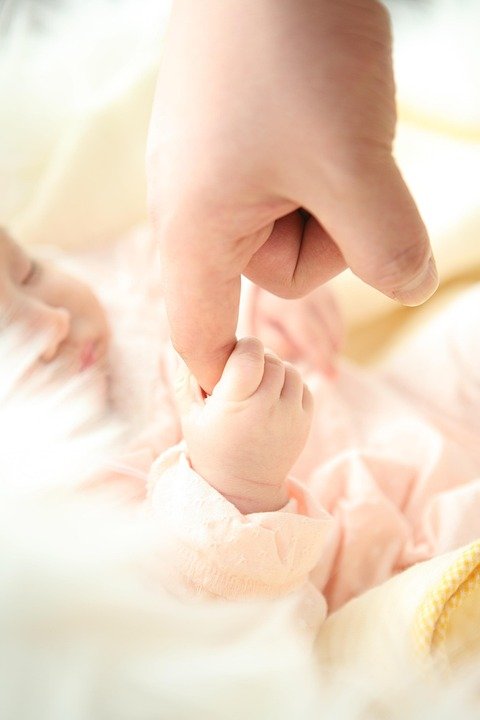
Protecting Precious Lives: Essential Newborn Safety Precautions Every Parent Must Know
Welcoming a newborn into the world is a joyous occasion filled with love and excitement. As a parent, your top priority is to protect and ensure the safety of your precious little one. Newborns are fragile and vulnerable, requiring extra care and attention to keep them safe and healthy. In this article, we will discuss essential newborn safety precautions that every parent must know to protect their precious lives.
Creating a Safe Sleep Environment
One of the most important safety precautions for newborns is creating a safe sleep environment. The American Academy of Pediatrics recommends that babies should sleep on their backs in a crib with a firm mattress and tight-fitting sheet. Avoid using soft bedding, pillows, stuffed animals, or crib bumpers, as these can pose a suffocation risk. Keep the crib clear of any loose blankets or toys to prevent accidental suffocation.
Monitoring Baby’s Temperature
Newborns are unable to regulate their body temperature as efficiently as adults, making them more susceptible to overheating or getting too cold. It is essential to dress your baby in appropriate clothing for the room temperature and avoid overdressing or over bundling. Use a room thermometer to monitor the temperature in your baby’s room and adjust clothing layers as needed.
Preventing SIDS
Sudden Infant Death Syndrome (SIDS) is a leading cause of death in infants under one year of age. To reduce the risk of SIDS, it is crucial to follow safe sleep practices, such as placing your baby on their back to sleep and using a firm mattress with a fitted sheet. Avoid exposing your baby to secondhand smoke, and ensure that their sleep environment is free of hazards that could pose a suffocation risk.
Properly Installing Car Seats
Car accidents are a leading cause of injury and death in children, making it essential to properly install a car seat for your newborn. Choose a car seat that is appropriate for your baby’s age and size, and follow the manufacturer’s instructions for installation. Ensure that the car seat is securely fastened in the back seat of your vehicle and that your baby is buckled in correctly.
Preventing Falls
Newborns are at risk of falling from elevated surfaces, such as changing tables, beds, or couches. Always keep one hand on your baby when they are on an elevated surface, and never leave them unattended. Use safety straps and harnesses on changing tables and high chairs to prevent accidental falls.
Childproofing Your Home
As your baby grows and becomes more mobile, it is essential to childproof your home to prevent accidents and injuries. Install safety gates at the top and bottom of stairs, secure heavy furniture to the wall to prevent tipping, and cover electrical outlets with safety plugs. Keep small objects out of reach to prevent choking hazards, and lock cabinets and drawers containing hazardous substances.
Monitoring Baby’s Breathing
Newborns are obligate nasal breathers, meaning that they primarily breathe through their noses. It is essential to monitor your baby’s breathing and ensure that their nasal passages are clear. Use a bulb syringe to gently suction mucus from your baby’s nose if needed, and keep their sleeping environment free of allergens that could obstruct their breathing.
Recognizing Signs of Illness
It is crucial to be vigilant and observant of your baby’s health and well-being. Recognize signs of illness, such as fever, difficulty breathing, excessive crying, poor feeding, or lethargy. Seek medical attention if you notice any concerning symptoms or changes in your baby’s behavior, as early intervention can prevent complications and serious health issues.
Avoiding Overstimulation
Newborns are sensitive to their environment and can easily become overstimulated by loud noises, bright lights, or too much activity. Create a calm and soothing environment for your baby, with gentle sounds and dim lighting. Limit visitors and avoid overcrowded spaces to prevent overwhelming your baby’s delicate senses.
Building a Support System
Parenting a newborn can be overwhelming and exhausting, making it essential to build a support system of family, friends, and healthcare providers. Reach out for help when needed, and prioritize self-care to ensure that you are well-rested and able to care for your baby effectively. Remember that it takes a village to raise a child, and you are not alone in this journey.
Conclusion
Protecting the precious life of your newborn is a paramount responsibility that requires diligence, awareness, and knowledge of essential safety precautions. By creating a safe sleep environment, monitoring your baby’s temperature, preventing SIDS, properly installing car seats, and childproofing your home, you can safeguard your baby from potential hazards and risks. Stay vigilant, proactive, and informed about your baby’s health and well-being, and seek help and support when needed. By following these essential newborn safety precautions, you can provide a safe and nurturing environment for your precious little one to thrive and grow.
Remember, your baby’s safety is your top priority, and by taking proactive measures and staying informed, you can protect and cherish the precious life entrusted to your care.