
























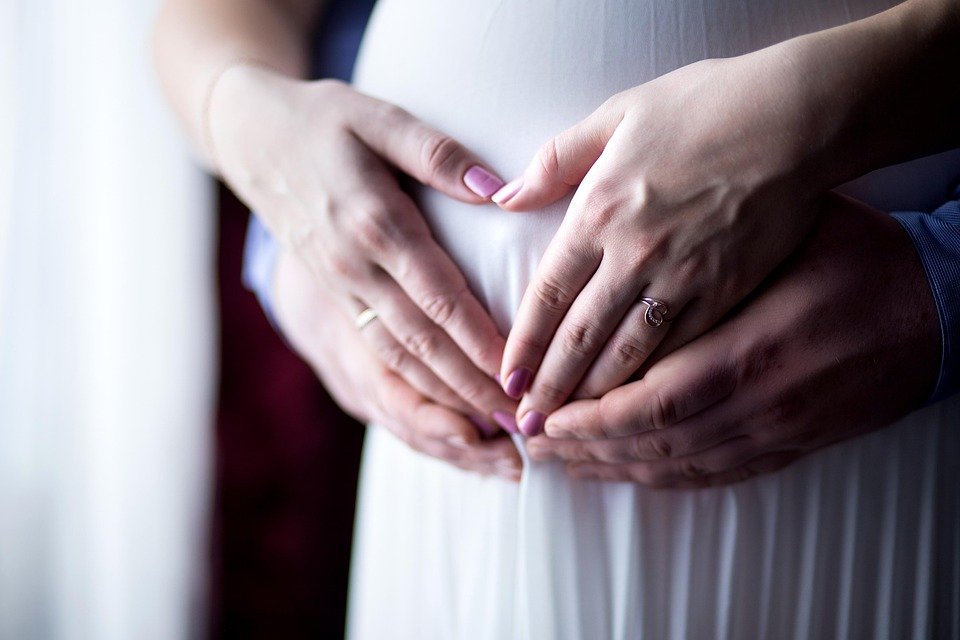
Fueling the Bump: Nourishing Your Body and Your Baby with a Pregnancy Diet
During pregnancy, it is essential to nourish your body and your growing baby with a healthy and balanced diet. The foods you eat play a crucial role in your baby’s development and can impact your overall health during pregnancy. In this article, we will discuss the importance of a pregnancy diet, what foods to include, common questions about nutrition during pregnancy, and how to maintain a healthy diet throughout this special time.
The Importance of a Pregnancy Diet
A healthy pregnancy diet is vital for the proper growth and development of your baby. The nutrients you consume are transferred to your baby through the placenta, so it is essential to eat a variety of foods that provide essential vitamins and minerals. A well-balanced diet can also help prevent pregnancy complications, such as gestational diabetes and preeclampsia, and support your overall health and well-being.
What to Include in a Pregnancy Diet
When it comes to fueling the bump, there are several key nutrients that you should focus on including in your diet:
Folate
Folate, also known as folic acid, is essential for preventing neural tube defects in your baby. You can find folate in foods such as leafy green vegetables, citrus fruits, beans, and fortified cereals.
Explore all articles: Pregnancy and birth guide
Calcium
Calcium is crucial for developing strong bones and teeth in your baby. Dairy products, leafy green vegetables, and fortified foods are excellent sources of calcium.
Iron
Iron is essential for preventing anemia and supporting the growth of your baby. Good sources of iron include lean meats, beans, fortified cereals, and leafy green vegetables.
Protein
Protein is essential for the growth and development of your baby. Include lean meats, poultry, fish, eggs, beans, and nuts in your diet to meet your protein needs.
Common Questions About Nutrition During Pregnancy
Many expectant mothers have questions about nutrition during pregnancy. Here are some common questions and answers to help you navigate your pregnancy diet:
Can I eat fish during pregnancy?
Yes, you can eat fish during pregnancy, but it is essential to choose low-mercury options. Fish such as salmon, trout, and sardines are excellent sources of omega-3 fatty acids, which are crucial for your baby’s brain development.
How much weight should I gain during pregnancy?
The amount of weight you should gain during pregnancy depends on your pre-pregnancy weight. On average, most women are advised to gain between 25-35 pounds during pregnancy. However, it is essential to consult with your healthcare provider to determine the appropriate weight gain for you.
Should I take prenatal vitamins?
Yes, prenatal vitamins are essential during pregnancy to ensure you are getting all the necessary nutrients for you and your baby. Prenatal vitamins typically contain folic acid, iron, calcium, and other essential vitamins and minerals that are crucial for a healthy pregnancy.
Maintaining a Healthy Diet Throughout Pregnancy
As you progress through your pregnancy, it is essential to continue to focus on eating a healthy and balanced diet. Here are some tips for maintaining a healthy diet throughout your pregnancy:
Listen to your body
Pay attention to your hunger cues and cravings during pregnancy. It is normal to experience changes in appetite, so listen to your body and eat when you are hungry.
Stay hydrated
Drinking plenty of water is essential during pregnancy to stay hydrated and support your baby’s development. Aim to drink at least eight glasses of water a day and limit your intake of sugary beverages.
Avoid processed foods
Avoiding processed foods and opting for whole, nutrient-dense foods is essential for supporting your overall health during pregnancy. Choose fruits, vegetables, whole grains, lean proteins, and healthy fats to fuel your body and your baby.
Conclusion
A healthy pregnancy diet is essential for fueling the bump and supporting the growth and development of your baby. By focusing on including essential nutrients in your diet, addressing common questions about nutrition during pregnancy, and maintaining a healthy diet throughout this special time, you can ensure that you and your baby are getting the nutrients you need for a healthy pregnancy. Remember to consult with your healthcare provider for personalized guidance on your pregnancy diet and nutrition needs.
By following these tips and guidelines, you can nourish your body and your baby with a pregnancy diet that supports your health and well-being throughout this special time.